

What is Stormuring?
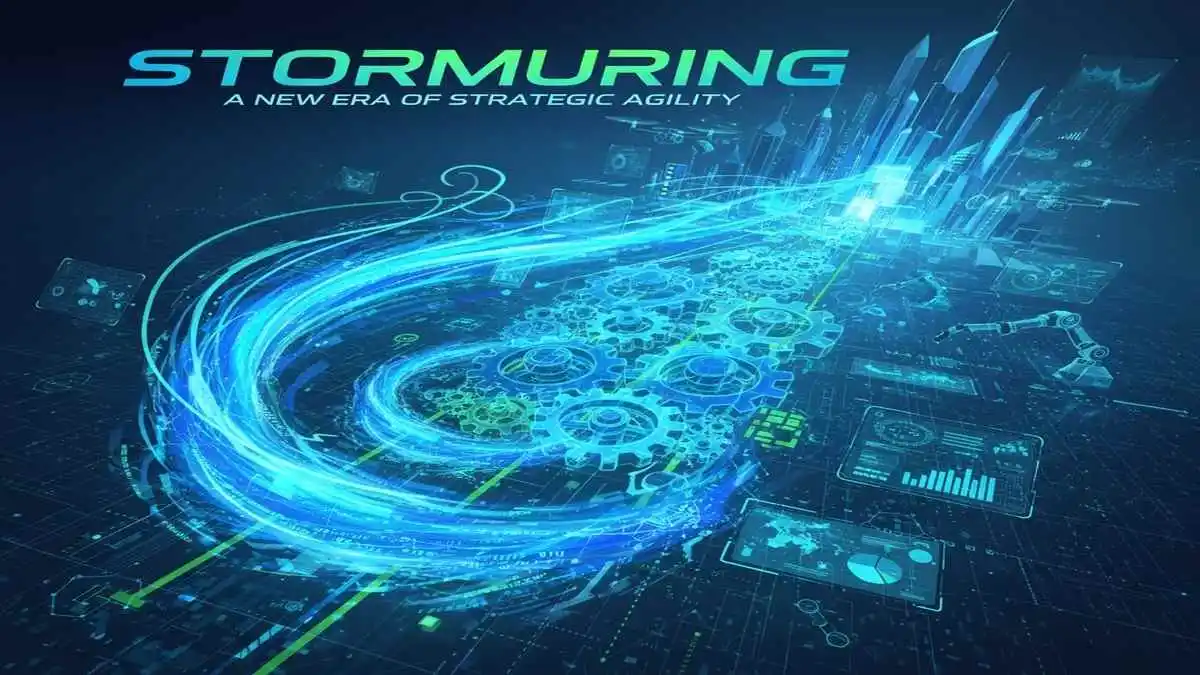
Stormuring is a term that encapsulates the modern advancements in weather observation and response mechanisms. The concept emerged from the necessity to enhance our understanding of extreme weather phenomena and to improve our response strategies. Stormuring indicates a systematic approach to weather monitoring that integrates real-time data collection, analysis, and predictive modeling to address atmospheric disturbances effectively.
Historically, the roots of stormuring can be traced back to traditional meteorological practices, where observations were primarily conducted through manual means, such as weather balloons and static observation stations. Over the years, technological advancements have revolutionized this field. With the advent of satellite technology, Doppler radar, and numerical weather prediction models, stormuring has evolved into a sophisticated methodology that combines various data sources to assess storm patterns and forecast potential impacts.
In the context of today’s climate, stormuring plays a critical role in enabling meteorologists and climate scientists to analyze severe weather events with greater precision. By utilizing advanced algorithms and machine learning techniques, stormuring allows for improved tracking of storm developments and their trajectories. This method not only aids in predicting immediate threats, such as hurricanes and tornadoes but also helps in analyzing longer-term climate trends and anomalies.
The relevance of stormuring in contemporary climate monitoring systems cannot be overstated. It serves as a vital tool for emergency management agencies and communities at risk from severe weather. By fostering a proactive approach, stormuring enhances preparedness efforts and minimizes the adverse effects of extreme weather phenomena on human lives and infrastructure.
The Technology Behind Stormuring
Stormuring represents a significant advancement in weather monitoring and response technology, leveraging sophisticated tools and systems to dramatically enhance accuracy and responsiveness during severe weather events. The foundation of stormuring lies in an array of cutting-edge technologies that work in tandem to gather and analyze atmospheric data. These technologies include Doppler radar systems, satellite imagery, and localized weather sensors, which together create a comprehensive picture of weather patterns and impending storms.
Doppler radar is pivotal in stormuring, as it allows meteorologists to monitor precipitation, wind speed, and storm rotation with remarkable precision. This real-time data assists in identifying developing storm systems and predicting their paths. Furthermore, satellite technology provides extensive coverage, capturing images of large-scale weather patterns that are vital for forecasting. The integration of these tools has transformed meteorology from traditional methods, offering predictive capabilities that were previously unattainable.
Data collection in the context of stormuring is further enhanced through the use of advanced algorithms and machine learning techniques. These systems analyze vast amounts of meteorological data quickly, facilitating real-time updates that are crucial during storm events. The implementation of such technology has improved the efficiency of emergency preparedness, allowing for timely warnings and optimized resource allocation when storms are imminent.
Beyond traditional weather monitoring, stormuring also incorporates mobile applications and automated alert systems, which deliver critical information directly to those at risk. This has revolutionized how communities prepare for severe storms, enhancing public safety and resilience. As weather technology continues to evolve, the stormuring paradigm rests firmly at the intersection of innovation and practicality, changing how society responds to the challenges posed by extreme weather events.
The Impact of Stormuring on Weather Prediction and Safety
Stormuring, a term that encapsulates advanced methodologies in weather monitoring and response, has significantly transformed the landscape of meteorology. By integrating real-time data collection, advanced modeling techniques, and predictive analytics, stormuring enhances weather prediction accuracy, enabling meteorologists to provide more timely and reliable forecasts. Improved predictability is paramount, particularly when considering the societal implications of severe weather events.
One illustrative example of stormuring’s impact can be seen during Hurricane Harvey in 2017. The utilization of sophisticated stormuring techniques allowed meteorologists to foresee the extent of rainfall and flooding in Texas. This foresight enabled emergency response teams to implement preemptive measures, thus minimizing loss of life and property damage. Such capabilities exemplify how stormuring facilitates targeted evacuations and resource allocations, ultimately protecting communities from the devastating impacts of natural disasters.
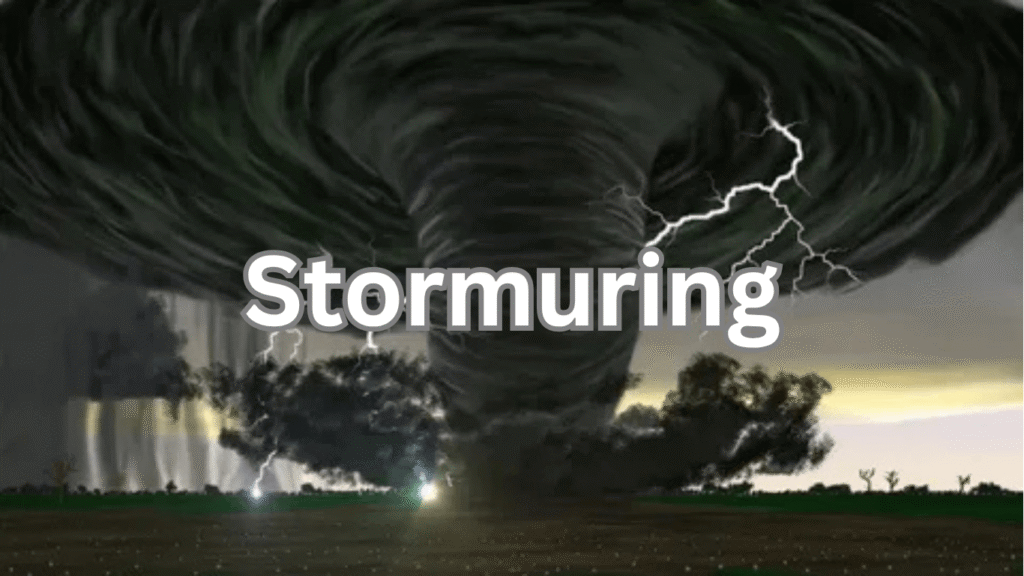
Furthermore, stormuring contributes to enhanced public safety by fostering better communication channels between meteorological agencies and local authorities. The integration of stormuring technologies facilitates real-time updates and alerts, ensuring that critical information reaches residents before severe weather strikes. During tornado warnings, stormuring aids in issuing timely alerts, enabling individuals to seek shelter and safeguarding communities against potential catastrophes.
Beyond immediate responses, stormuring informs long-term planning and resilience strategies for communities prone to extreme weather. By analyzing historical weather patterns through the lens of stormuring, local governments can devise infrastructure improvements and develop disaster response protocols tailored to specific risks. Therefore, the advancement of stormuring not only enhances immediate weather response but also equips communities with necessary tools and insights to better prepare for future events, reinforcing the vital link between accurate weather prediction and public safety.
Future Trends and Innovations in Stormuring
The realm of stormuring is witnessing rapid advancements, driven by technological innovation and the growing necessity for accurate weather monitoring and response systems. As climate change accelerates the frequency and intensity of storms, integrating new technologies becomes crucial for effective storm management strategies. The future of stormuring holds significant promise, particularly with the advent of artificial intelligence (AI) that can revolutionize how we predict and respond to various weather-related challenges.
One of the most notable trends in stormuring is the implementation of AI-driven models that enhance predictive analytics. These models can analyze vast datasets to identify patterns and anticipate storm events with greater accuracy. Machine learning algorithms enable better insights into storm formation and path forecasting, which can lead to improved early warning systems. This predictive capability is essential for communities at risk of severe weather, allowing them to prepare effectively and mitigate potential damage.
Additionally, advancements in satellite technology and ground-based sensors play a critical role in the evolution of stormuring. By utilizing high-resolution satellite imagery and real-time data collection from various atmospheric sensors, meteorologists can obtain detailed information about storm dynamics. This data not only aids in immediate storm tracking but also contributes to long-term climate research, which is essential in understanding broader weather patterns and trends.
Furthermore, integrating stormuring with broader climate change strategies presents an opportunity for more resilient infrastructure and adaptive policies. As storm intensity increases, cities and regions can utilize insights gained from stormuring to develop adaptive measures, thereby reducing risks associated with future weather events. This collaboration can foster a comprehensive approach to climate resilience, making communities more resilient in the face of inevitable environmental changes.
In conclusion, the future of stormuring is bright, characterized by innovative technologies and strategies that promise to enhance our ability to monitor, predict, and respond to storms effectively. The ongoing enhancements in AI, satellite technology, and community integration signal a transformative era for weather management systems, ultimately contributing to safer and more prepared societies.
