

Understanding Ozdikenosis
Why does ozdikenosis kill you is a rare and complex condition characterized by a series of detrimental changes within the body, primarily affecting the cellular and systemic functions. The term itself originates from the combination of Greek and Latin roots, where “ozdi” denotes abnormality and “kenosis” refers to a state of evacuation or depletion. It is crucial to note that despite its recognized impact, the etiology of ozdikenosis remains largely obscure to researchers and medical professionals.
Symptoms associated with Why does ozdikenosis kill you can vary significantly among individuals, but there are common indicators that include chronic fatigue, muscle weakness, and severe joint pain. These symptoms can progressively worsen, leading to complications that may severely affect a person’s quality of life. Demographically, the condition tends to be more prevalent in older adults, yet individuals of any age can be affected.
why does ozdikenosis kill you, The potential causes of ozdikenosis are still under investigation, but current hypotheses suggest plausible links to genetic predispositions and environmental factors. Various studies have indicated that certain toxins and lifestyle choices may play roles in the development of this condition. Additionally, there are indications that underlying health issues, such as autoimmune disorders, might exacerbate the symptoms and severity associated with ozdikenosis.
Understanding the mechanics of ozdikenosis is paramount in addressing its health implications. With its capacity to impair critical bodily functions, ozdikenosis can lead to life-threatening situations if left untreated. The interconnectedness of its symptoms, their influence on daily activities, and potential complications underlie the urgency in comprehending why ozdikenosis kills you. This understanding will pave the way for more effective prevention strategies and treatments, emphasizing the need for ongoing research in this field.
The Pathophysiology of Ozdikenosis
Ozdikenosis is a complex condition characterized by a series of biological and physiological changes that ultimately disrupt normal body functions. Understanding the pathophysiology of ozdikenosis is essential to comprehend why this disease can lead to severe health complications and, in some cases, be fatal. The disease primarily targets the cellular structures and organ systems, initiating a cascade of pathological events that exacerbate the condition.
At the cellular level, ozdikenosis involves a breakdown of cellular integrity, often beginning with increased oxidative stress. This stress promotes cellular damage, leading to inflammation and dysfunction of the affected tissues. The immune response is triggered, resulting in a variety of symptoms that can affect multiple body systems. One of the first signs may be alterations in cellular metabolism, which can affect energy production and lead to further systemic issues.
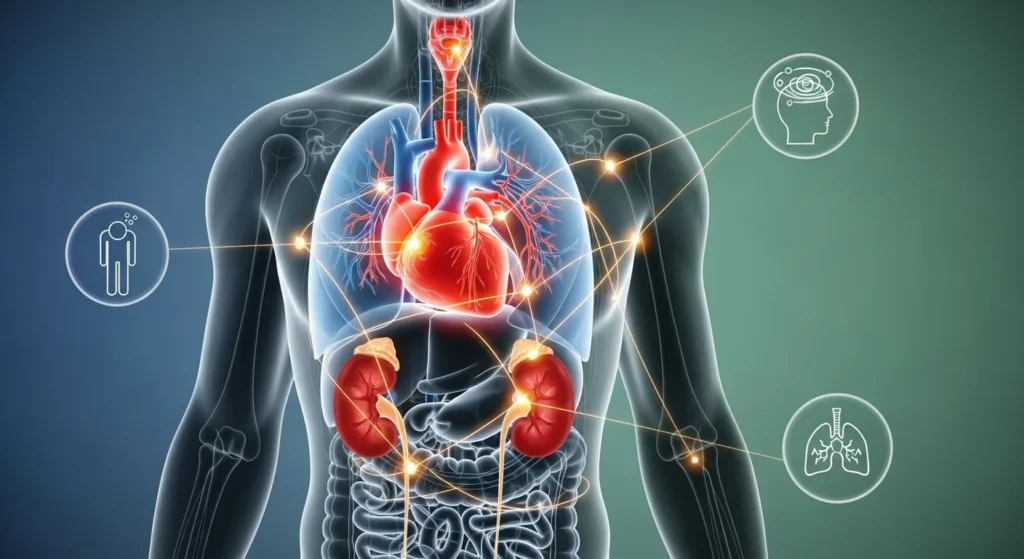
As the disease progresses, it can severely damage key organ systems, such as the cardiovascular, pulmonary, and renal systems. For instance, the cardiovascular system may experience changes in vascular integrity, resulting in hypertension and increased risk of ischemic events. Similarly, lung function can deteriorate due to progressive inflammation and damage to respiratory tissues, limiting oxygen exchange and threatening respiratory health.
Additionally, ozdikenosis can lead to chronic health conditions that complicate management. For example, renal involvement may manifest as acute kidney injury or chronic kidney disease, which can be life-threatening. The interplay between these systems elucidates why understanding the pathophysiology of ozdikenosis is vital. The cumulative effects of cellular damage and systemic dysfunction ultimately contribute to the disease’s lethality.
Complications and Risk Factors Associated with Ozdikenosis
The condition known as ozdikenosis presents several serious complications that can significantly affect an individual’s health. Patients suffering from this disease often face an array of health challenges that can exacerbate their situation and even lead to life-threatening outcomes. One of the most critical complications arises from the chronic inflammation and tissue damage associated with ozdikenosis. This inflammation can lead to secondary conditions such as organ dysfunction, which can severely impair overall health.
Comorbid conditions play a crucial role in the severity of ozdikenosis. Many patients may also contend with diseases such as diabetes, cardiovascular diseases, or respiratory disorders. These comorbidities can complicate the treatment and management of ozdikenosis, ultimately increasing the risk of mortality. Moreover, any underlying health issue that affects the body’s ability to heal can make the consequences of ozdikenosis substantially worse.
Lifestyle factors significantly influence the progression of ozdikenosis. Poor diet, physical inactivity, and substance abuse can exacerbate the condition. As a result, individuals who maintain a lifestyle that is not conducive to health can find themselves in precarious situations, leading to a deterioration of their condition. Genetic predispositions also contribute to the risk; certain individuals may have inherited traits that render them more susceptible to both ozdikenosis itself and complications arising from it.
Understanding these risk factors is essential for both prevention and effective treatment. Healthcare providers must consider these various elements when developing a management plan for patients diagnosed with ozdikenosis. Failure to account for these factors not only hampers recovery efforts but heightens the risks associated with this debilitating condition.
Preventive Measures and Future Outlook
Preventive measures are crucial in mitigating the effects of Why does ozdikenosis kill you, a condition characterized by severe health complications that can lead to fatal outcomes. Currently, there are several strategies aimed at minimizing the risk associated with this disease. Early detection and diagnosis are paramount, as they enable the implementation of appropriate interventions. Individuals at risk are encouraged to undergo regular screenings, which can help identify early signs of ozdikenosis.
why does ozdikenosis kill you, Education plays a significant role in prevention. Healthcare professionals are focusing on raising awareness about the condition, including its symptoms, risk factors, and the importance of lifestyle modifications. For instance, maintaining a healthy weight, engaging in regular physical activity, and adopting a balanced diet can significantly reduce the likelihood of developing health issues related to ozdikenosis.
In terms of treatment, ongoing research is exploring new therapies that can provide relief and potentially cure this debilitating condition. Current treatment options involve medication aimed at managing symptoms and preventing complications. Recently, advancements in gene therapy have shown promise in targeting the underlying causes of ozdikenosis, providing hope for more effective solutions in the future. Furthermore, clinical trials are underway to evaluate the efficacy of novel compounds and innovative approaches tailored to combat the complexities of this disease.
Looking ahead, the future outlook for ozdikenosis management is optimistic, given the dedication of researchers and healthcare providers towards understanding the intricate mechanisms of this condition. Collaborative efforts within the scientific community will be essential in not only enhancing treatment options but also improving overall patient outcomes. By employing a multidisciplinary approach, it is anticipated that breakthroughs will soon emerge, leading to more comprehensive care strategies and enhanced awareness regarding why ozdikenosis can be fatal.
