

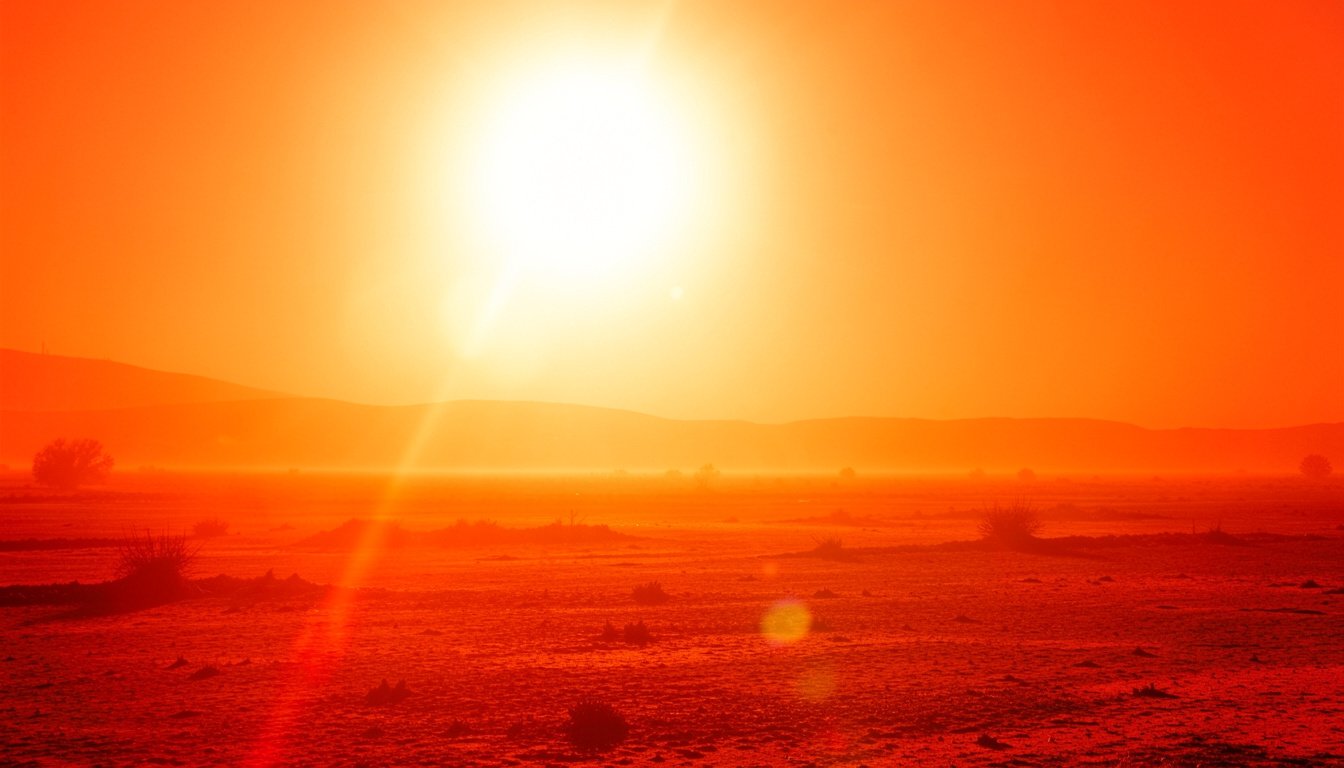
When summer arrives, temperatures can skyrocket fast. Suddenly, you hear news about an official extreme heat warning. This special alert means the air outside is getting dangerously hot for everyone. Weather experts send out these alerts to keep communities protected. Extreme heat can make people sick if they are not careful. Staying safe during a hot stretch requires a clear plan. In this guide, we will break down what these alerts mean for your daily routine. You will learn simple steps to keep your home cool and your loved ones safe.
What Does an Extreme Heat Warning Mean?
An extreme heat warning is an official safety alert from local weather scientists. It means the air temperature and humidity are reaching dangerous levels. When these two things combine, your body cannot cool itself down naturally through sweating. These warnings are issued when high heat lasts for two days or longer. Paying attention to these alerts can keep you out of the hospital. Knowing the warning early helps you prepare your home and plan indoor activities.
Why Extreme Heat Warning Today Demands Your Quick Attention
If there is an extreme heat warning today, you should take action right away. High outdoor heat sneaks up on people very fast. Sitting in a warm room without moving can still make you sick. The sun can quickly raise indoor temperatures if your windows stay uncovered. Drinking water immediately helps your body stay ahead of dehydration. Checking the forecast every morning keeps you ready for sudden heat spikes. Quick choices made early in the day keep you comfortable when afternoon heat peaks.
Staying Safe During a California Extreme Heat Warning
Living on the West Coast means facing bright sun and long dry spells. A california extreme heat warning often comes with very high temps and fire hazards. The scorching sun can make asphalt hot enough to burn skin or paws. During these days, people should stay indoors during peak hours from noon to six. Keeping blinds closed blocks direct sunlight from heating up your living room. Having plenty of cool water nearby is vital whether you are resting or working.
How to Handle a Phoenix Extreme Heat Warning
Arizona is famous for intense summer temperatures that reach record highs. A phoenix extreme heat warning often brings temperatures well over one hundred degrees. In this level of dry heat, sweat evaporates so fast you might not notice you are losing water. Local parks often close trails during these hot periods to prevent dangerous heat illness. Walking on concrete can hurt pet paws within seconds. Staying inside air-conditioned spaces is the smartest choice you can make in the desert.
Understanding a Massachusetts Extreme Heat Warning
New England summers can get surprisingly hot and humid. A massachusetts extreme heat warning hits hard because many older homes lack central air conditioning. High humidity makes ninety degrees feel much worse because your sweat will not dry. Opening windows at night lets cooler air inside your bedroom. Using box fans helps circulate air and keeps living spaces fresh. Knowing how to cool down without high-powered AC units is key in northern states.
Key Differences Between Heat Advisory and Extreme Heat Warning
Many people mix up weather alerts during the warm summer months. A heat advisory means weather is hot and uncomfortable, but not immediately deadly. On the other hand, an extreme heat warning means conditions are hazardous for everyone outside. The heat index reaches levels where heat stroke becomes a real threat. During advisories, you should take extra care while working outdoors. During warnings, you should stay inside conditioned buildings as much as possible.
Recognizing Early Signs of Heat Illness
When temperatures rise, your body works extra hard to stay cool. The first sign of trouble is usually heat cramps in your legs or stomach. Next, heat exhaustion can cause dizziness, heavy sweating, nausea, and sudden weakness. If untreated, this can turn into heat stroke, which is a life-threatening medical emergency. Someone with heat stroke may stop sweating, feel confused, or pass out. Call emergency services right away if you notice these serious symptoms in anyone.
Quick Safety Checklist for High Temperatures
- Drink water continuously before you feel thirsty throughout the day.
- Wear lightweight, loose clothing made of breathable cotton.
- Never leave kids or pets inside a parked car for any length of time.
- Take frequent breaks in shady or air-conditioned areas.
- Apply sunscreen repeatedly to shield skin from sunburn.
How to Protect Pets and Animals in Hot Weather
Animals feel intense heat just as much as humans do. Dogs cannot sweat through their skin, so they rely on panting to cool down. During an extreme heat warning, limit your dog’s walks to early mornings or late evenings. Always test the sidewalk with the back of your hand for seven seconds first. If it feels too hot for your hand, it is too hot for paws. Make sure outdoor pets have constant shade and plenty of fresh, cold water.
Simple Tips to Keep Your Home Cool Without Burning Energy
You do not need to drain your budget to maintain a cool house. Close your curtains and blinds on sun-facing windows during the morning. Turn on ceiling fans to create a breeze, but turn them off when leaving rooms. Avoid using your stove or oven because they add unwanted heat indoors. Instead, prepare cold meals like salads, sandwiches, or chilled fruit. Hanging wet towels near open windows can also help cool down breezes naturally.
Checking on Friends and Vulnerable Neighbors
Hot weather is especially dangerous for elderly adults, infants, and isolated neighbors. When an extreme heat warning is active, make time to check on people nearby. Ensure their fans or air conditioners are working properly and blowing cold air. Ask if they have enough fresh water and ice in their refrigerator. Offering a ride to a cooling center can save a life during severe heatwaves. Community support keeps everyone safer during difficult weather events.
FAQs
What is an extreme heat warning?
It is an official weather alert issued when air temperatures and humidity reach dangerously high levels that can harm human health.
How much water should I drink during high heat?
Drink water continuously throughout the day, aiming for one cup every twenty minutes if you are active or outdoors.
What should I do if my home has no air conditioning?
Visit public spaces like libraries or shopping malls, use fans to circulate air, and take cool showers to lower your temperature.
Is it safe to exercise during a heat warning?
It is best to avoid outdoor exercise during peak sun hours. If you must exercise, do it early in the morning before the sun rises high.
How do I know if the pavement is too hot for my dog?
Place the back of your hand flat on the asphalt for seven seconds. If it feels too hot for your skin, it will burn your dog’s paws.
Where can I find a local cooling center?
Check your local city website, call community help lines, or visit regional public library branches during operating hours.
Conclusion
Extreme heat events are growing more common every summer across many regions. Staying prepared and knowing the facts keeps you and your family safe when temperatures rise. Keep your home cool, check on your neighbors, and drink plenty of water throughout the day. Share this guide with your friends to help them stay protected when the next heat event arrives!
