

Have you ever looked for a sport that is super fun and easy to learn? You might have heard people talk about playing with Paddle Ball and bouncy balls outside. Many people get confused when they hear these terms for the first time. But do not worry! This full guide will answer all of your questions in simple words. We will cover how to play, where to play, and what gear you need. By the end of this page, you will be ready to grab a friend and start hitting the ball today!
What Is Paddle Ball?
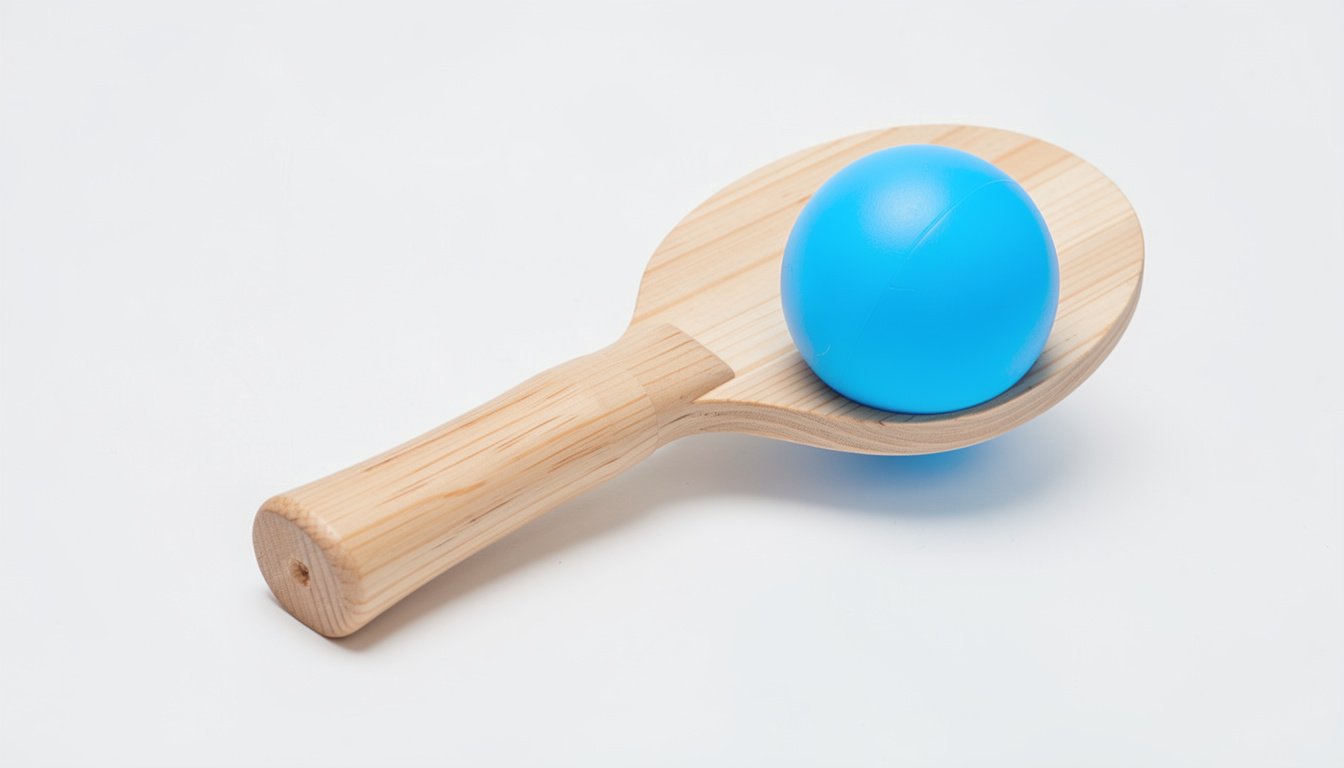
When people ask what is paddle ball, they are usually looking at a classic sport played with solid paddles and a bouncy rubber ball. Unlike tennis, there are no strings on the paddles. You hit the ball back and forth over a low net or directly against a solid wall.
This fast game was created to be simple, fast, and exciting for players of all ages. You do not need years of training to hit your first good shot. It can be played indoors on a court or outdoors on a sunny day at the park. Because the ball bounces fast, it gives you a great workout while keeping things super entertaining!
Paddle Ball vs Pickleball: What Is the Difference?
It is very common to mix up paddle ball vs pickleball. Both games use paddles, but they play quite differently on the court.
- The Ball: In pickleball, you use a light plastic ball filled with holes (like a wiffle ball). In a standard paddle ball game, you use a small, solid rubber ball that bounces higher and moves faster.
- The Paddle: Pickleball paddles are flat and smooth. A typical paddle ball racket is often solid wood or composite material, sometimes featuring small air holes to slice through the wind.
- The Vibe: Pickleball relies heavily on soft kitchen play and tactical dinks. Paddle ball often features longer, faster rallies with direct, powerful hits.
Pickleball vs Paddle Ball: Quick Comparison Guide
To help you see the main differences at a glance, here is a helpful comparison between pickleball vs paddle ball:
| Feature | Paddle Ball | Pickleball |
| Ball Type | Small, bouncy rubber ball | Hollow plastic ball with holes |
| Surface | Concrete wall, sand, or hard court | Hard surface with non-volley zone |
| Paddles | Solid wood or composite with holes | Smooth fiberglass, carbon, or plastic |
| Game Pace | Fast-paced and energetic | Strategic with soft short shots |
| Learning Time | Instant (very easy for beginners) | Easy (requires learning kitchen rules) |
The Essentials of a Paddle Ball Game
To play a good paddle ball game, you only need three things: a friend, a set of paddles, and a ball. The main goal is simple—hit the ball over the net or off the wall so your opponent cannot return it.
[ Serve the Ball ] ➔ [ Single Bounce ] ➔ [ Return Shot ] ➔ [ Keep Rally Going ]
Points are scored when your opponent hits the ball into the net, misses the wall, or lets the ball bounce more than once on their side. Because the rules are so simple, kids and adults can play together without any confusion!
How Do You Play Paddle Ball step-by-Step?
If you are asking how do you play paddle ball, the basic flow is super easy to pick up:
- The Serve: Stand behind the baseline. Hit the ball underhand to start the point.
- The Bounce: The ball must bounce once in the court before the receiver hits it back.
- The Rally: Hit the ball back and forth. You must hit it before it bounces twice on your side.
- Scoring Points: You gain a point whenever the opponent misses the court boundary or fails to clear the net. Games are usually played to 11 or 15 points.
Understanding the Paddle Ball Court
A standard paddle ball court looks a lot like a smaller tennis court or a handball wall space.
Outdoor courts usually feature a hard concrete or asphalt surface. If you are playing the wall version (One-Wall or Four-Wall), the court has clear boundary lines drawn on the ground to mark out-of-bounds areas. The short court boundaries force players to react quickly, making footwork and quick reflexes a major part of winning games.
Choosing the Best Paddle Ball Rackets
Having the right gear makes a huge difference in your game. When shopping for paddle ball rackets, look for a style that feels comfortable in your hand. Beginner paddles are made from durable wood, which gives you solid control. Advanced paddle ball racket models use lightweight carbon fiber or fiberglass with small drilled holes. These holes cut down on wind resistance, allowing you to swing faster with less arm fatigue.
Fun in the Sun: Beach Paddle Ball
One of the most popular ways to play this sport is beach paddle ball (often called Frescobol or beach tennis).Playing on soft sand builds incredible ankle strength and stamina. Plus, if you drop a shot, you just land safely in the warm sand!
Key Health Benefits of Playing Regularly
Playing this game isn’t just about winning points; it’s also amazing for your health:
- Burns Calories: Constant movement and quick sprints burn up to 400 calories an hour.
- Sharpens Reflexes: Tracking a fast-moving rubber ball improves hand-eye coordination.
- Low Impact: Easy on joints compared to high-intensity contact sports.
- Social Connections: It is a wonderful way to hang out outdoors with family and friends.
Easy Maintenance Tips for Your Gear
Taking care of your gear ensures your paddles last for years:
- Keep Away from Moisture: Wipe wooden paddles dry after playing near water or on humid days.
- Store in the Shade: Extreme heat inside a car trunk can warp composite materials.
- Check the Grip: Replace worn grip tape to maintain full control during fast swings.
Conclusion
Paddle ball is a fantastic, accessible sport for anyone looking to stay active and have fun. Whether you want to play competitively on a court or casually on the beach, it is easy to pick up and hard to put down. Gather your gear, head outside, and enjoy the game!
Frequently Asked Questions
1. Is paddle ball hard for absolute beginners to learn?
Not at all! Most beginners are able to hit multi-shot rallies within their first ten minutes of playing.
2. Can I use a pickleball paddle to play paddle ball?
It is not recommended. Pickleball paddles are built for light plastic balls and might get damaged by heavier rubber balls.
3. Do I need a special court to play?
No! While official courts exist, you can play against any smooth concrete wall or set up a low net in your driveway.
4. What should I wear when playing?
Wear comfortable athletic clothes and supportive sneakers with good side-to-side traction.
5. Why do some paddles have holes in them?
The small holes reduce air resistance, making the paddle lighter and faster to swing through the air.
6. Can kids play beach paddle ball?
Yes! Wooden beach paddles are lightweight and very safe for children to practice hand-eye coordination.
